



Quick Answer
Neither is automatically more natural. Up close, hairstrokes usually look the most like real brow hair when your skin suits them and you still have some natural brows. On oily skin, large pores, or very sparse brows, soft shading or a mix of both often looks more natural once healed. At Luxie, both are done with a single nano needle, and the choice comes down to your skin, your brow shape, and the look you want.
Table of Contents
- What's the difference between hairstroke and shading brows?
- Which is better, hairstroke or shading?
- Which permanent eyebrow looks the most natural?
- Is hairstroke the same as microblading?
- What's the newest permanent eyebrow technique?
- When do combination brows make sense?
- What Luxie checks before recommending a technique
- Frequently Asked Questions
What's the difference between hairstroke and shading brows?
They're two different finishes. Hairstrokes are fine lines that look like individual brow hairs, while shading builds soft, even color, a bit like a light dusting of brow powder. Combination brows use both in one design.
Hairstroke brows

Hairstrokes add texture and fill small gaps while leaving some skin visible between the strokes, so the brow reads as hair rather than color. They suit people who want a light, barely-there finish instead of an evenly filled brow.
Shading brows

Shading builds soft density with tiny dots of pigment instead of separate lines. Depending on the design, it can look very light and diffused or more defined, and it doesn't have to look blocky or heavily made up. At Luxie, shading is called LuxShade.
Combination brows
Combination brows put hairstrokes where texture helps and shading where the brow needs more support. Each element should have its own job in one balanced design, not just add more of everything.
Which is better, hairstroke or shading?
Neither is better for everyone. Hairstrokes suit brows that still have some natural hair and skin that holds fine lines well, while shading suits oilier skin, sparse areas, or anyone who prefers a softly filled look.
| Technique | What it looks like | May suit | Watch for |
|---|---|---|---|
| Hairstroke | Hair-like texture with skin showing between strokes | Some natural brow hair, small gaps, and a light, no-makeup look | Strokes that don't follow your natural hair direction, or that heal softer than expected |
| Shading | Soft, even color, like lightly filled-in brows | Sparse areas, oily skin, or a more polished finish | Density or edges that are stronger than you want |
| Combination | Hair-like texture plus soft color where it's needed | Brows that need both texture and support | Shading added where it doesn't improve the balance |

Hairstrokes may not be the best choice if:
- the skin on your brows is oily or has large pores, where fine lines can blur as they heal;
- old pigment is still bold, patchy, or has turned blue or red (see how to fix a bad eyebrow tattoo);
- your natural brows are very sparse or the tail is missing;
- you want a sharp, defined brow rather than a soft one; or
- earlier sessions haven't held color evenly.
How long each one lasts usually isn't the deciding factor. Both typically last around two to four years, depending on your skin and aftercare; Luxie's guide to how long eyebrow tattoos last explains why that's a guide, not a promise.
Which permanent eyebrow looks the most natural?
Up close, hairstrokes usually look the most like real brows when your skin suits them and you still have some natural hair. On oily skin, large pores, or very sparse brows, shading or a mix often looks more natural once healed.
In the end, natural depends on your skin, your brow shape, and what you want. It also helps to think about where your gaps are:
- Small gaps in a fuller brow: a few hairstrokes may be enough.
- A sparse middle or tail: soft shading can make the whole shape look connected.
- Good texture at the front but weak density further along: a combination can balance both.
- Little or no natural hair: the whole brow has to be designed from scratch; see hairstroke brows without natural eyebrow hair.
Fresh brows look sharper and bolder than healed ones, so compare healed photos, ideally from people whose brows and skin look like yours. If your skin is on the oily side, read brow tattooing on oily skin before you choose.
Is hairstroke the same as microblading?
No. Microblading uses a hand tool with a row of tiny needles that works like a blade: it's dipped in ink and dragged through the skin. Hairstrokes at Luxie are made with a single needle, with the ink fed continuously as the artist works.
A single needle gives cleaner, crisper strokes than a blade. Luxie doesn't offer microblading, and it's rarely done in Vietnam today. Many people still say "microblading" when they mean any hair-like brow tattoo, so it's worth asking a studio which method it actually uses. Our guide to eyebrow embroidery vs. microblading goes into more detail.
What's the newest permanent eyebrow technique?
Single-needle nano brows are the newest approach. Instead of a blade, one ultra-fine needle places the pigment, and the same method can create either a hairstroke effect or a shading effect.
That's the key point: hairstroke and shading are effects, not separate tools. At Luxie, both LuxStroke hairstroke brows and LuxShade nano shading are done with a single nano needle, so the choice between them comes down to which look suits your skin and brows.
When do combination brows make sense?
Combination brows help when hairstrokes alone would leave weak spots but full shading would look heavier than you want. They should solve a specific design problem, not serve as an automatic upgrade.
A combination design might use hair-like texture at the front for a softer start, then soft shading through sparse areas or for a little more definition in the body and tail. The balance is different for everyone. Luxie's hairstroke combined with shading service shows what's included, and the consultation decides whether you need both.
What Luxie checks before recommending a technique
Luxie starts with the result you want, then checks whether your natural hair, skin, old pigment, facial balance, and everyday makeup style can support it. The technique follows the assessment, not the other way around.
The consultation looks at:
- where you have natural hair and where you need more color;
- whether you prefer a bare-faced, textured look or a softly filled one;
- your skin and any previous brow tattooing;
- how the proposed shape works with your features; and
- healed examples that match your starting point and the finish you want.
Luxie explains what each option can and can't do for your brows, and you make the final call. Whichever technique you choose, follow the eyebrow tattoo aftercare guide while your brows settle.
Frequently Asked Questions
These answers cover the questions people often ask after comparing the two techniques. Your final choice still depends on an in-person look at your natural brows, your skin, and any old pigment.
Should a 60-year-old get hairstroke brows?
Age doesn't decide it, and Luxie has no age limit. What matters is your skin and how much natural hair you have. Our guide to eyebrow tattoos for mature skin covers this in more detail.
Which technique works better for very sparse brows?
Shading or a combination usually gives more structure when large areas have no hair. Hairstrokes can still be part of the design, depending on how much natural texture you have.
Can hairstroke and shading be combined?
Yes. Combination brows use hairstrokes for texture and shading for extra density where it's needed. Each should be there for a clear reason in the overall design.
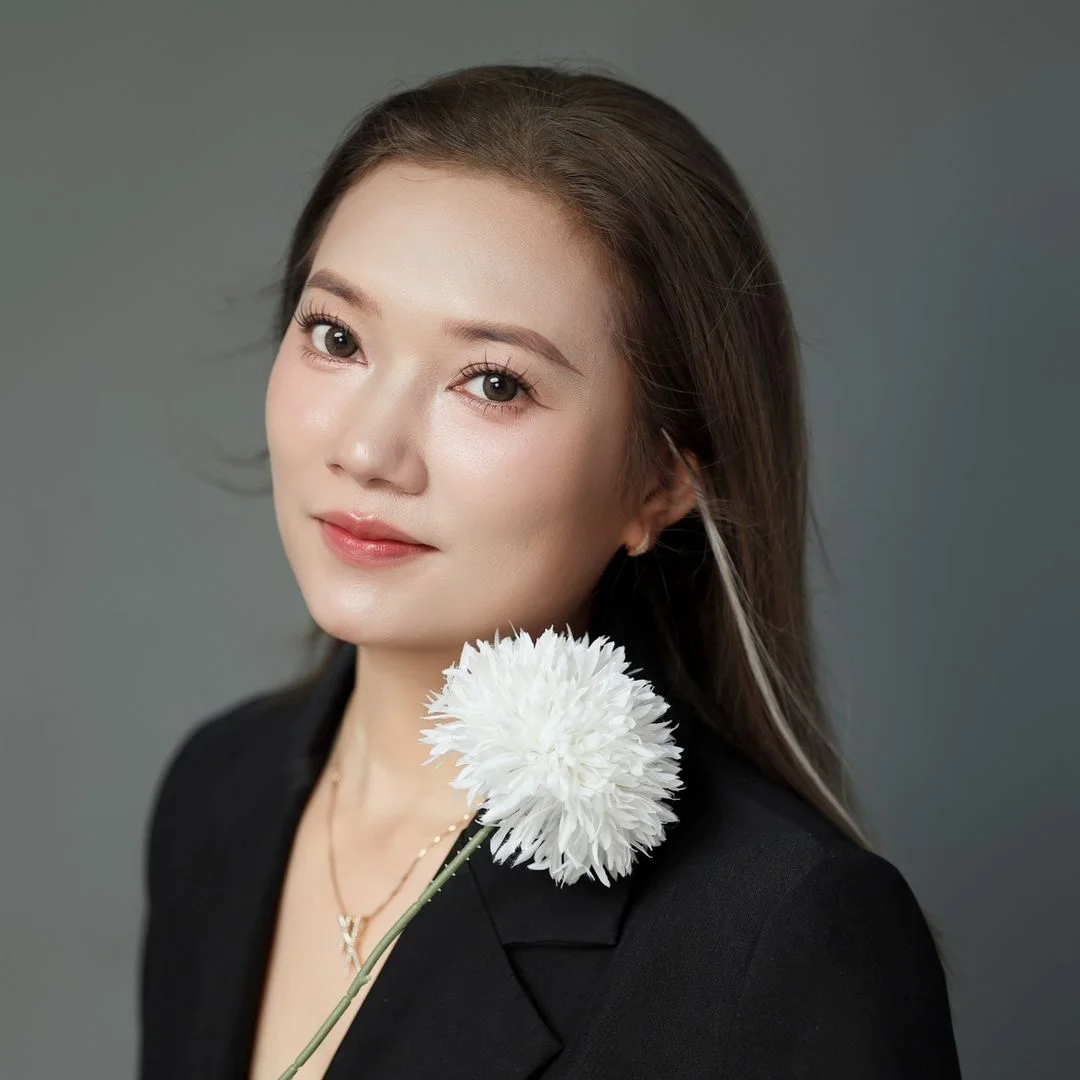
Head and owner of LUXIE - a new technology cosmetic tattooing brand in District 10, Ho Chi Minh City. Specializes in natural-looking eyebrow and lip shaping, with a high aesthetic sense and meticulous attention to detail in every product.
- "Artist" Mindset: Experts design eyebrow and lip shapes based on the golden ratio of each individual's face, instead of adhering to a generic formula.
- Specializes in the hottest technologies such as Invisible Hairstroke (for both men and women), creating soft, natural-looking eyebrow strokes.
- Correction of Imperfections: Experts have in-depth expertise in lip darkening correction (for both men and women) and laser treatment to remove faded or damaged eyebrow shapes.