



Quick Answer
Lip blush is a semi-permanent cosmetic tattoo that places pigment into the lips to add soft color and definition. It can make the lips look fresher and more even, but it does not add physical volume like lip filler or guarantee one fixed shade for every client.
- It enhances visible color and definition rather than adding volume.
- The plan depends on your natural lips, previous pigment, and desired visibility.
- Fresh pigment looks different from the softer healed result.
Table of Contents
What Is Lip Blush?
Lip blush is cosmetic tattooing designed to add a soft wash of color and gentle definition to the lips. The intended effect is usually a tinted version of your natural lips rather than an opaque layer of lipstick.
It is often called semi-permanent because the visible color generally softens over time. How it appears and fades can vary with the pigment, technique, starting lip condition, lifestyle, and individual healing response.
Lip blush differs from lip filler: filler is injected to add physical volume, while lip blush focuses on color and visual definition. The Cleveland Clinic’s lip-blushing overview also explains this distinction.
How Does Lip Blush Work?
A trained cosmetic tattoo professional uses fine needles and controlled passes to place pigment into the lip area. The technique, pigment direction, and level of saturation should be adapted to the client rather than applied as one standard formula.

- Assessment: review bare-lip color, border, texture, symmetry, and previous pigment.
- Goal: clarify whether you want subtle freshness, more visible color, or gentle definition.
- Design: agree on the planned shape and color direction before pigment placement.
- Application: place pigment gradually using the selected cosmetic-tattoo technique.
- Aftercare: explain how to protect the area and when to assess the settled result.
What Can Lip Blush Change—and What Can’t It Do?
Lip blush may improve the appearance of color balance and soft border definition, but it cannot add physical volume or guarantee the same color, symmetry, longevity, or correction outcome for everyone.

| Lip blush may help with | Lip blush cannot guarantee |
|---|---|
| Softer, more even-looking color | One identical shade on every client |
| Gentle definition around a suitable border | Physical enlargement like lip filler |
| A low-maintenance everyday tint | A permanently fresh-lipstick appearance |
| A personalized color direction | Complete correction of every dark or old pigment base |
If your main concern is a dark or strongly uneven base, use Luxie’s separate guide to lip blush on dark or uneven lips.
What Happens During a Lip Blush Appointment?
An appointment should start with consultation and agreement on the plan before pigment is placed. You should understand the proposed color direction, border, limitations, and difference between the fresh appearance and healed result.

- Discuss your desired visibility and one or two useful references.
- Disclose previous lip tattooing, correction, filler, and relevant healing concerns.
- Review the proposed shape and color before treatment begins.
- Receive aftercare instructions and realistic expectations for the settling period.
The day-by-day recovery process belongs in Luxie’s dedicated lip blush healing timeline.
Who Should Request an Assessment Before Booking?
Every client benefits from consultation, but assessment is especially important when lips are dark, strongly uneven, irritated, recently treated, or covered by old tattoo pigment. The correct outcome may be ordinary lip blush, correction planning, or postponement.
- Old pigment: residual color or borders may limit a new design.
- Dry or irritated lips: the artist may recommend waiting until the surface is suitable.
- Recent procedures: share filler or other treatment dates before choosing timing.
- Unclear expectations: filtered references require a more realistic discussion.
A cosmetic consultation does not diagnose or treat medical conditions. If your lips are persistently painful, inflamed, blistered, or changing in a concerning way, pause the cosmetic decision and seek appropriate medical advice.
How Should You Prepare for a Lip Blush Consultation?
Prepare honest information about your starting lips, treatment history, preferred visibility, and schedule. Clear details help the artist give case-specific guidance without turning a photograph or trend reference into a guaranteed result.
- Send unfiltered, bare-lip photos in natural daylight.
- Choose two or three references that show the effect you like.
- Describe your goal as barely visible, fresh, or more defined.
- Mention old tattooing, filler, correction, travel, and important events.
For the exact photo angles and lighting to use, follow Luxie’s lip blush consultation guide.
How Does Luxie Help You Choose the Right Direction?
Luxie starts with the individual lip rather than a fixed color menu. The consultation connects your desired appearance with natural tone, border, previous pigment, lifestyle, and intended visibility before recommending a service direction.
Two clients can request the same “natural pink” and still need different advice. One may want a barely visible tint, while another wants clearer everyday color; a dark or old pigment base may require separate planning first.
Color selection is covered in Luxie’s dedicated guide to choosing a natural lip blush color. For available treatment options, review the verified LuxLip service page.
Frequently Asked Questions
These answers clarify three basic differences readers often need to understand before deciding whether lip blush matches their personal goals.
Is lip blush permanent?
Lip blush is generally described as semi-permanent because visible color may soften over time. How long it remains visible varies with pigment, technique, lifestyle, starting condition, and individual healing response.
Does lip blush add volume like lip filler?
No. Lip blush mainly enhances color and visual definition. It does not add the same physical volume as lip filler, so choose according to whether your primary goal is color or fullness.
Does lip blush look like lipstick?
Not exactly. Lip blush is intended to create a softer, more integrated tint, while lipstick sits on the surface and can be changed daily. Fresh pigment may look stronger before it settles.
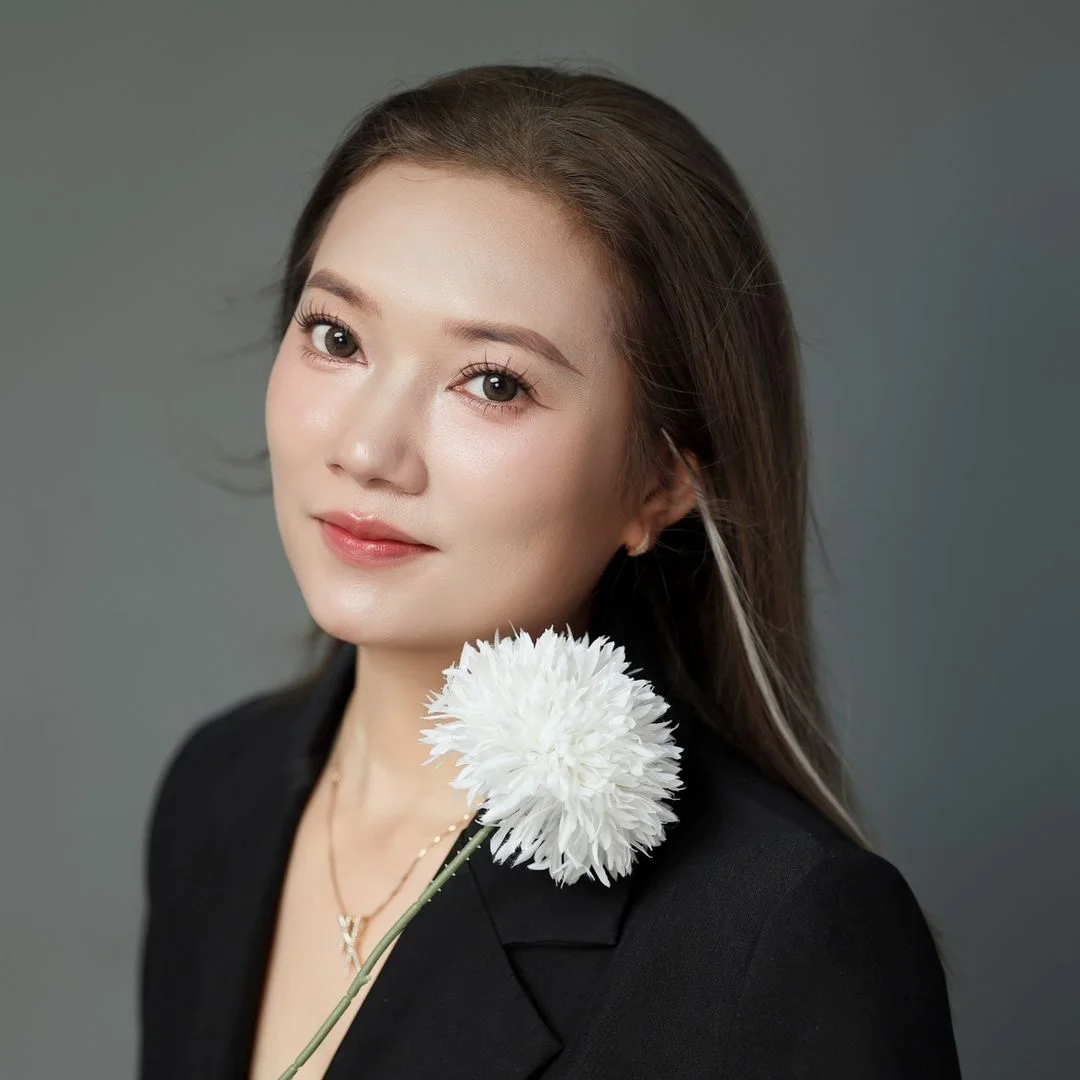
Head and owner of LUXIE - a new technology cosmetic tattooing brand in District 10, Ho Chi Minh City. Specializes in natural-looking eyebrow and lip shaping, with a high aesthetic sense and meticulous attention to detail in every product.
- "Artist" Mindset: Experts design eyebrow and lip shapes based on the golden ratio of each individual's face, instead of adhering to a generic formula.
- Specializes in the hottest technologies such as Invisible Hairstroke (for both men and women), creating soft, natural-looking eyebrow strokes.
- Correction of Imperfections: Experts have in-depth expertise in lip darkening correction (for both men and women) and laser treatment to remove faded or damaged eyebrow shapes.